
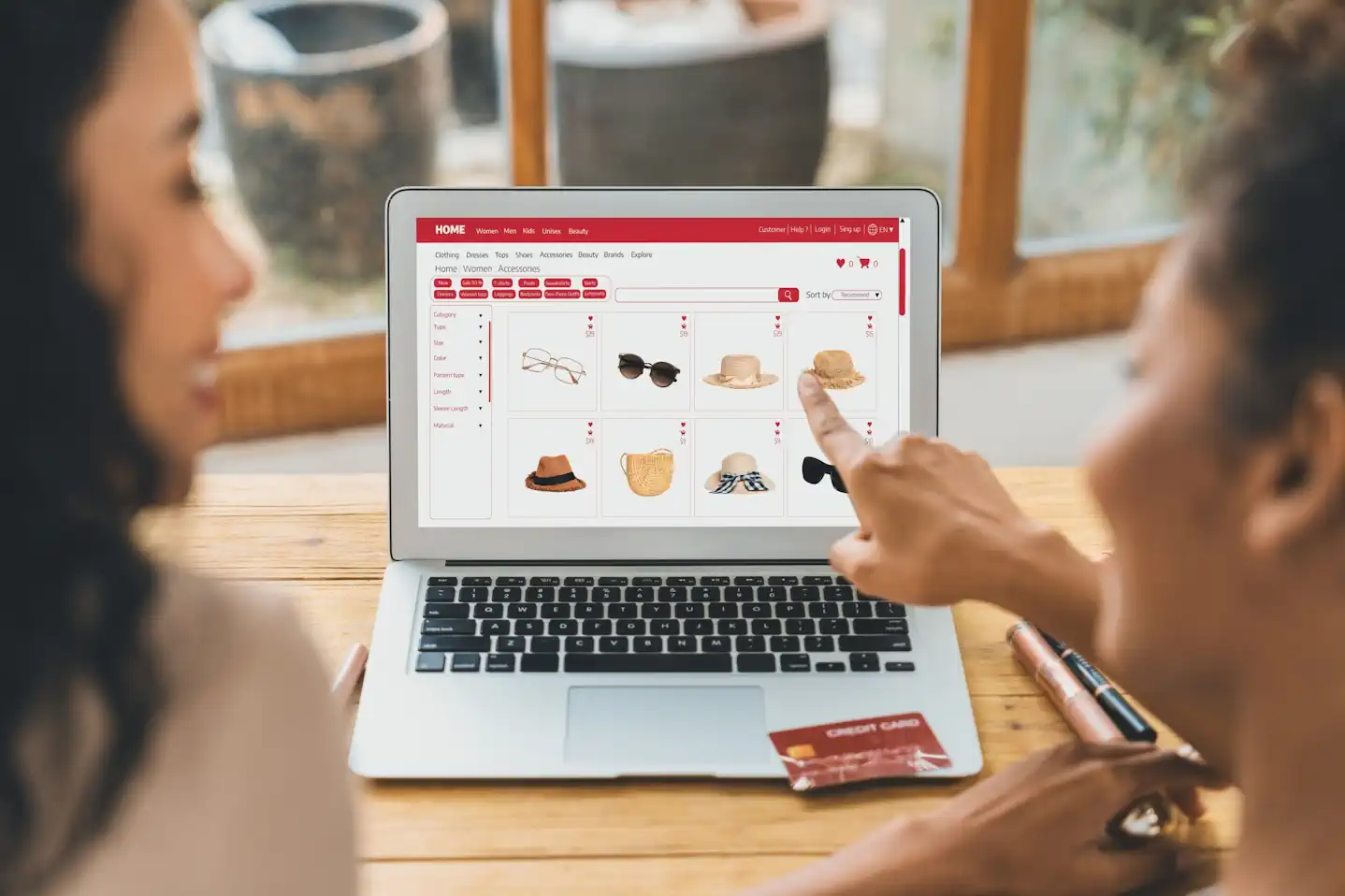
On a marketplace, your product listing is the whole sales conversation. There is no store associate, no website navigation and often no second chance. That is why listing quality affects nearly everything that matters to an online brand: search rankings, ad costs, conversion rate, returns and whether AI assistants recommend you.
Key takeaways
- Amazon, Walmart and other marketplaces account for a large share of US online sales.
- Better listings convert more of the traffic you already have, which lowers ad costs.
- AI shopping assistants now read listings and reviews to recommend products.
- Listings are never finished; the best brands improve them every quarter.
Marketplaces are where buyers start
Many shoppers now skip Google and search Amazon or Walmart directly, and marketplaces account for a large share of online retail sales in the US and abroad. For many product brands, marketplace listings bring in more revenue than their own website.
On these platforms, you compete side by side with every rival in the same results. The difference between you and the next brand is what the shopper sees in the listing.
How listing quality affects your whole business
- Rankings: marketplaces reward products that turn views into sales. Better listings rank higher, which brings more traffic.
- Ad costs: when more clicks become orders, your advertising cost of sales falls and your ads can afford to win more auctions.
- Conversion: clear images, benefit-led bullets and enhanced content help undecided buyers commit.
- Returns and reviews: accurate descriptions set the right expectations, which means fewer returns and better ratings.
- AI recommendations: assistants such as Amazon’s Alexa for Shopping use listing details and reviews to answer “what is the best…” questions.
What a strong listing includes
- A title that leads with the product type and key attribute shoppers search for
- A main image that stands out at thumbnail size, plus images that show scale, use and features
- Bullets that answer the questions buyers actually ask
- Every catalog attribute filled in correctly
- Enhanced content such as Amazon A+ or Walmart Rich Media, with a comparison chart
- A short video showing the product in use
- Reviews and Q&A that are monitored and answered
For a practical checklist, read our seven product listing optimization techniques.
Where brands usually leave money on the table
- Listings written once at launch and never revisited
- The same copy pasted across Amazon, Walmart and Shopify, ignoring each platform’s rules
- Missing attributes that keep products out of filtered searches
- Weak secondary images, or none for mobile shoppers
- No plan for responding to reviews and questions
- Expanding to new marketplaces or countries without localizing listings
Where to start
Begin with your top ten products by revenue. Improve the main image, title and bullets, add enhanced content and measure conversion for four weeks. Then roll the winning approach out across your catalog.
Our e-commerce marketing team handles product listings, photography and marketplace advertising together, so every improvement shows up in sales.
Frequently asked questions
Which marketplaces should my brand sell on?
Most US brands start with Amazon, then add Walmart and Target Plus or category specialists. Brands expanding abroad often add Amazon in other countries, and Amazon.ae and Noon for the UAE.
Can I use the same listing on every marketplace?
Use the same core facts, but adapt titles, image rules, attribute fields and enhanced content to each platform’s requirements and shopper habits.
How quickly do listing improvements show results?
Conversion changes often appear within two to four weeks. Ranking gains follow as sales velocity improves.